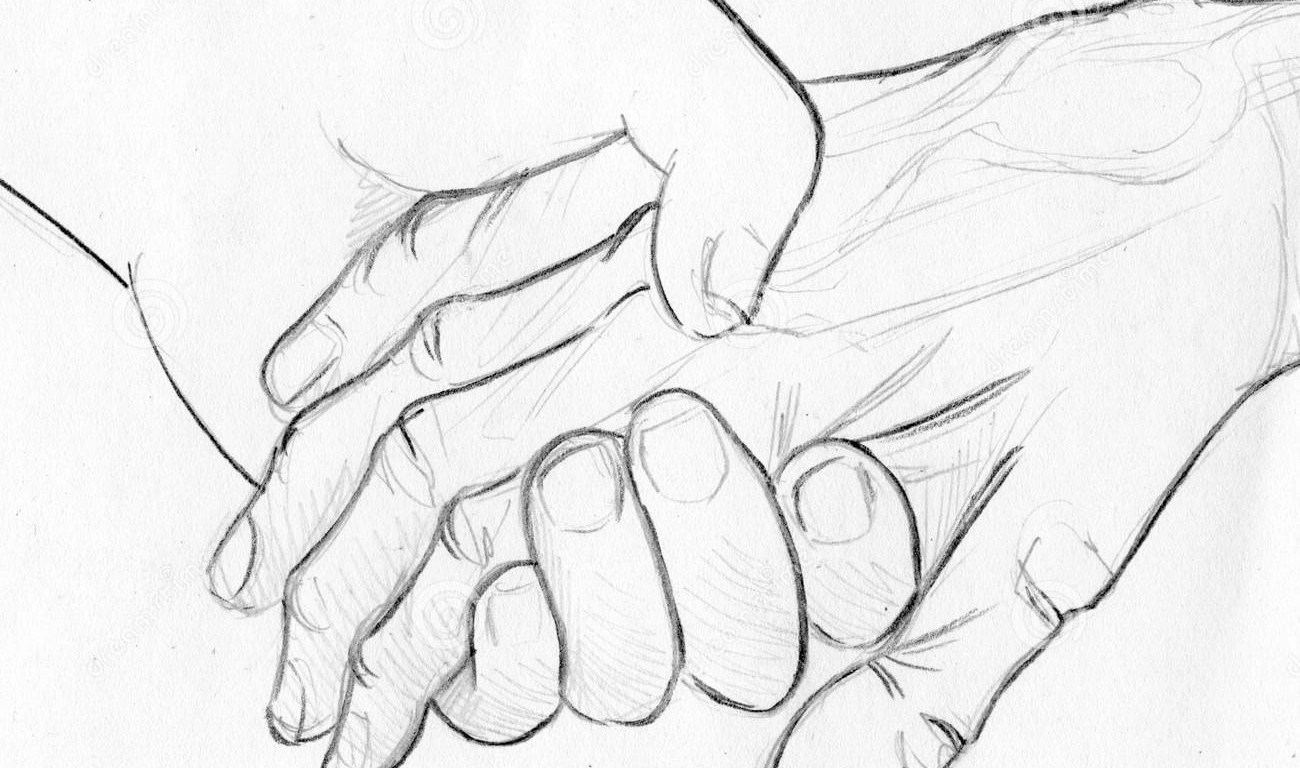
The body is a finite instrument, created to mature and decay over time.
Visiting an elderly relative on Christmas Day at Salford Royal hospital, in Manchester, reminded me of the increased significance of the body as an individual gets older. Physical symptoms of ageing become pronounced and may inhibit participation in activities. I began to wonder about the phenomenological experience of my elderly relative and how that experience differed from my own.
Awareness of the mortality of the human body only comes, for some, towards the end of a life history. Others are more aware of their own mortality, but on the whole I think that society does a pretty good job of dissociating us from ageing and death. As a student in a Western society, I feel that most of us live in a Cartesian dualist mindset: the body is an object which functions without question, while the mind (completely separate), controls the body with complete sovereignty. The ageing process, however, seems to revoke this dualism by intensifying the role of the body in everyday life. The body slows down and draws attention to itself. Limitations are imposed on the individual that force a reckoning; an acknowledgment of the body’s mortality.
I have created this blog to explore how physical constraints imposed on the body through the natural ageing process affect an individual’s perception of the world.
Does the ageing process provide a universal narrative for the life history of the body, or are we blind to the ageing process until it inevitably strikes us?
 Anthropology of Ageing